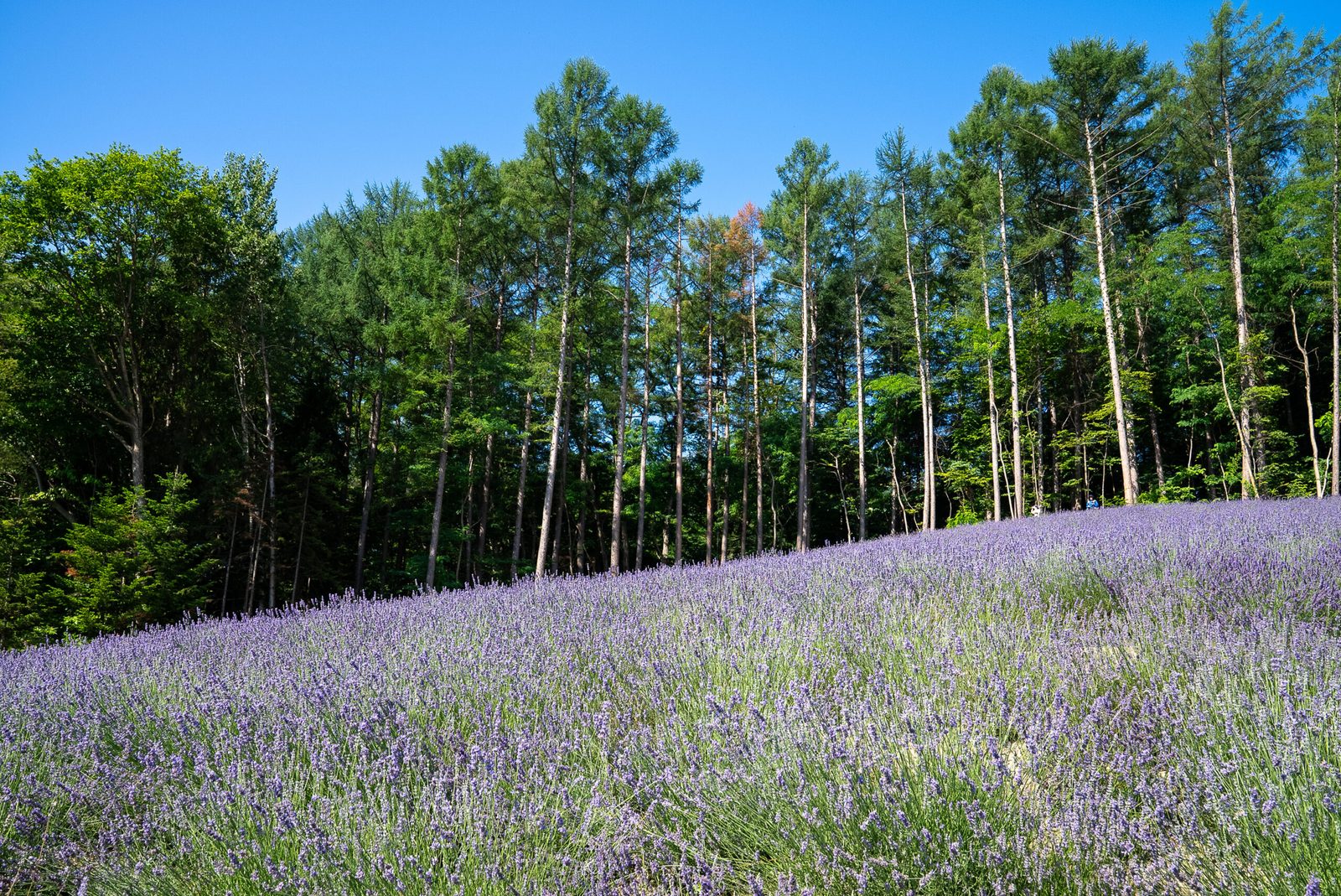
Furano brings together flower fields, a craft village in the forest, a cheese factory and a ski resort. At Farm Tomita's Hanabito no Hatake, the flower beds run from bulb flowers and violas in spring to marigolds in autumn. Ningle Terrace is a log cabin craft village in the forest, and Kaze no Garden is a British garden that was the setting of a television drama. Furano Cheese Factory shows its production room and aging room through glass, and Furano Ski Resort adds lifts, a gondola and a ropeway.
Drama followers can link Kaze no Garden, the cafe Mori no Tokei and the stone house reproduced in Rokugo. Travellers who like making things have candles and paper crafts at Ningle Terrace and a scent bookmark at Farm Tomita's Hanabito no Ie. With limited time, pick one thread: the flower beds, the craft village, or the wood-fired pizza at Furano Cheese Factory.
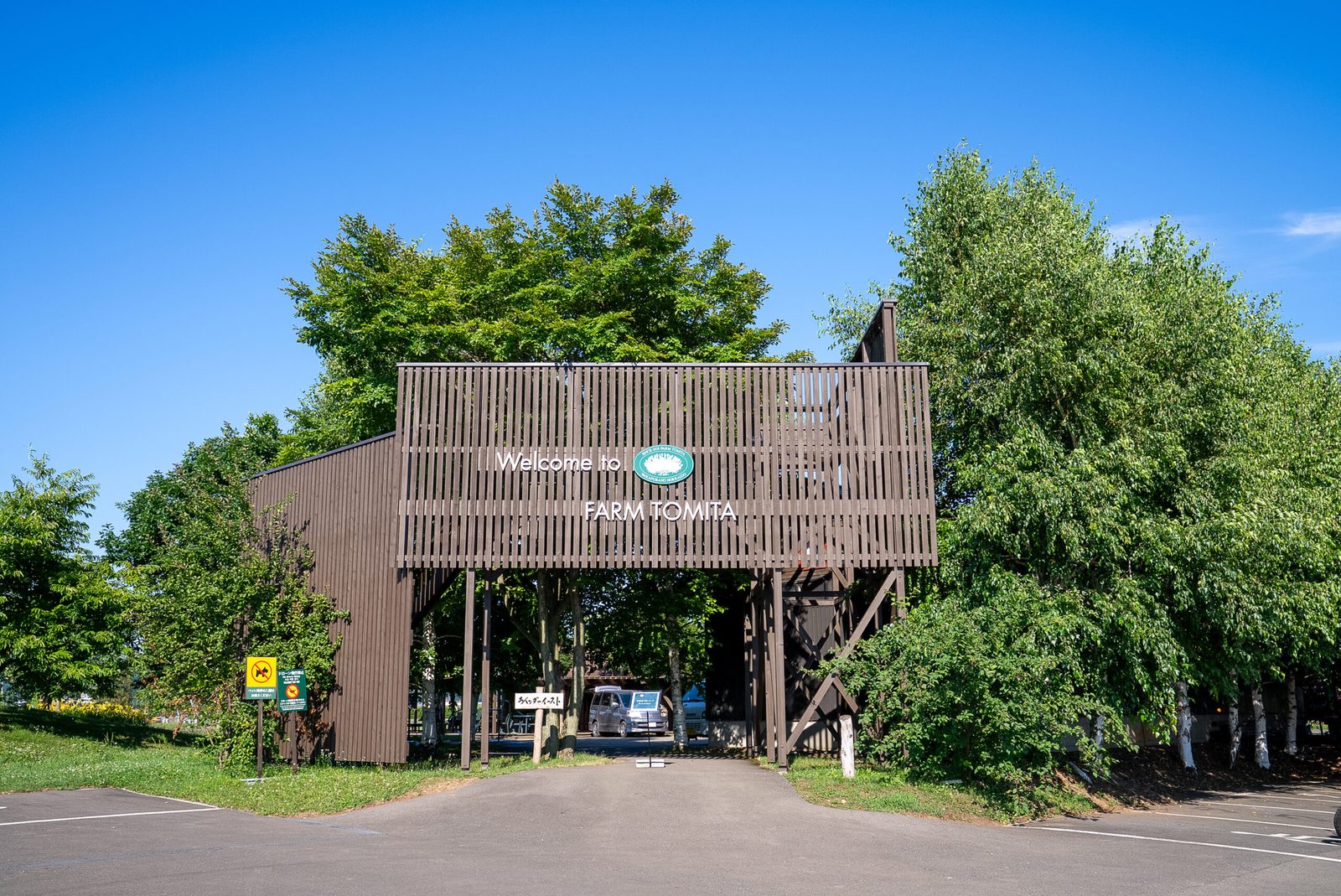
Farm Tomita and the Lavender Slopes of Nakafurano
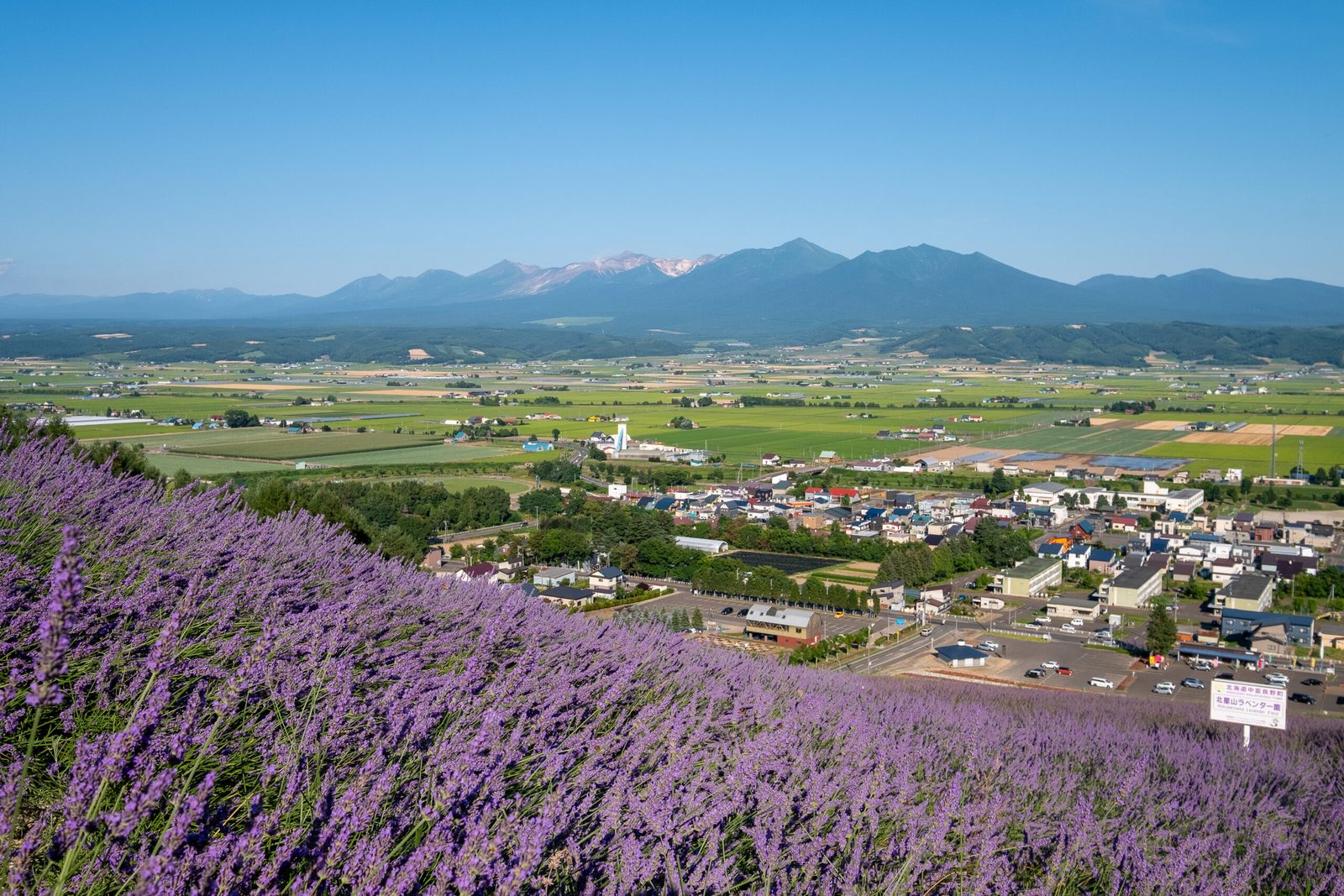
Farm Tomita's Hanabito no Hatake sets its lavender fields beyond flower beds laid out in gentle curves. Lavender is a small shrub of the mint family, native to the Mediterranean coast. Farm Tomita notes that lavender lives for thirty years or more in a suitable environment, so the same fields can carry the plant year after year.
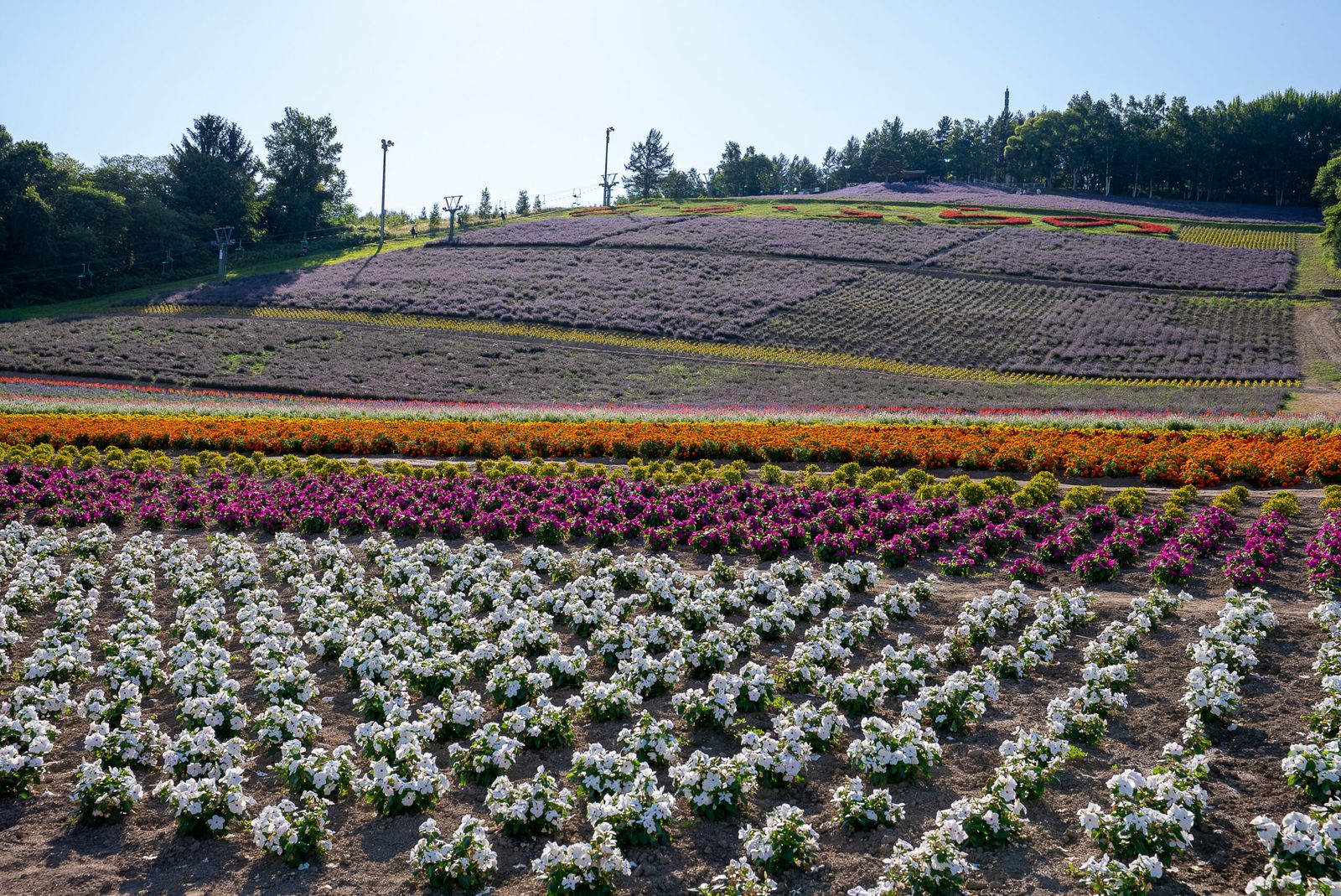
The beds change with the season, from bulb flowers and violas in spring to marigolds in autumn. Hanabito no Hatake flowers from mid-April to early October and peaks from early July to late September, while its lavandin blooms from mid-July to early August. The mixed beds therefore flower for longer than the lavandin alone. Events are held in various places to coincide with the lavender blooming.
Inside Hanabito no Ie, stained glass modelled on lavender fields and poppy fields lets in soft light in the morning and evening, so the start or end of a visit is the time to step indoors. A second-floor scent workshop room lets visitors make a scent bookmark from the oils of the five lavender varieties that bloom at Farm Tomita. The bookmark carries all five home.
Cafe Rene at Farm Tomita is a glass-built cafe where light shines in, with skylights and curtains that adjust the temperature and light meals such as curry. In autumn and winter, a cafe called Rene runs inside Hanabito no Ie, serving lavender soft serve ice cream and lavender tea. Some lavender farms have cafes and shops attached, so a flower visit can include a meal.
Ningle Terrace, Kaze no Garden and the Forest Craft Shops
Ningle Terrace is a log cabin craft village in the forest, produced by a screenwriter. Its small craft shops make original works by hand, and visitors can make items such as candles and paper crafts themselves. In the craft classes, visitors make their own work together with the Ningle Terrace craftsmen. The Ningle of the screenwriter's stage play is a being about fifteen centimetres tall that lives in a Hokkaido forest, a forest dweller to match a craft village in the forest.
Kaze no Garden is a British garden of about two thousand square metres on the grounds of Shin-Furano Prince Hotel, and it was the setting of a television drama. That area holds a path through the flower fields, and the greenhouse that often appeared in the drama stands along it. The garden was built over two years on a former golf course in the hotel grounds. It suits drama viewers and garden walkers alike.
At the cafe Mori no Tokei, visitors can grind coffee beans themselves at the counter, as in the drama, and it has operated as a coffee shop since filming ended. Furano Drama Museum, on the grounds of Shin-Furano Prince Hotel, sells original products of three dramas by the screenwriter: Kita no Kuni kara, Yasashii Jikan and Kaze no Garden. A follower of any one of the three has something to look for. Furano Drama Museum also carries books by the screenwriter.
Cheese, Pizza and Local Food at Furano
Furano Cheese Factory is surrounded by white birch trees, and visitors can view the cheese production room and the aging room through glass. On the second floor, a direct sales corner with a cheese tasting corner sells cheese and sweets made with the factory's cheese, milk and butter. Watching first and tasting afterwards is the natural order here.
Furano Cheese Factory's wine cheddar cheese brings out the aroma of wine and the flavor of the cheese once it has returned to room temperature. The wine cheddar can also be heated, and pizza toast and cheese hamburger steak are the recommended uses. Furano Cheese Factory's white cheese is an Italian-type soft cheese that is sliced thinly.
Furano Cheese Factory's pizza workshop uses a genuine wood-fired oven imported from Naples. The pizza is baked at high temperature for a short time, so the outside is crisp and the inside is chewy. For a meal rather than a tasting, the pizza workshop is the part of Furano Cheese Factory to head for.
Furano Marche has Sabor, a shop and cafe with freshly made sweets and freshly baked bread, and Furadish, where takeout shops sell original menu items made with local ingredients. Arujan at Furano Marche stocks about two thousand kinds of Furano souvenirs, from wine, cheese and milk to confectionery and sundries. Ogaru at Furano Marche is a direct-sales shop run by JA Furano for farm produce and processed foods.
Rokugo and the Kita no Kuni kara Filming Locations
One site in Rokugo reproduces the stone house used in the drama Kita no Kuni kara as it was. In a wooded area of Rokugo, shops and restaurants are scattered around a log cabin and another house. A soba restaurant in Rokugo appeared many times in the drama Kita no Kuni kara, so a meal can be part of the location visit.
Rokugo also has workshops for making things. A music box shop offers original music box making, and at a jam workshop visitors can take home the jam they made with an original label attached. A glass studio has creative workshop programs including dragonfly beads, gel candles and blown glass. These workshops suit travellers who want to make something as well as look at filming locations.
Furano Ski Resort and Other Outdoor Days
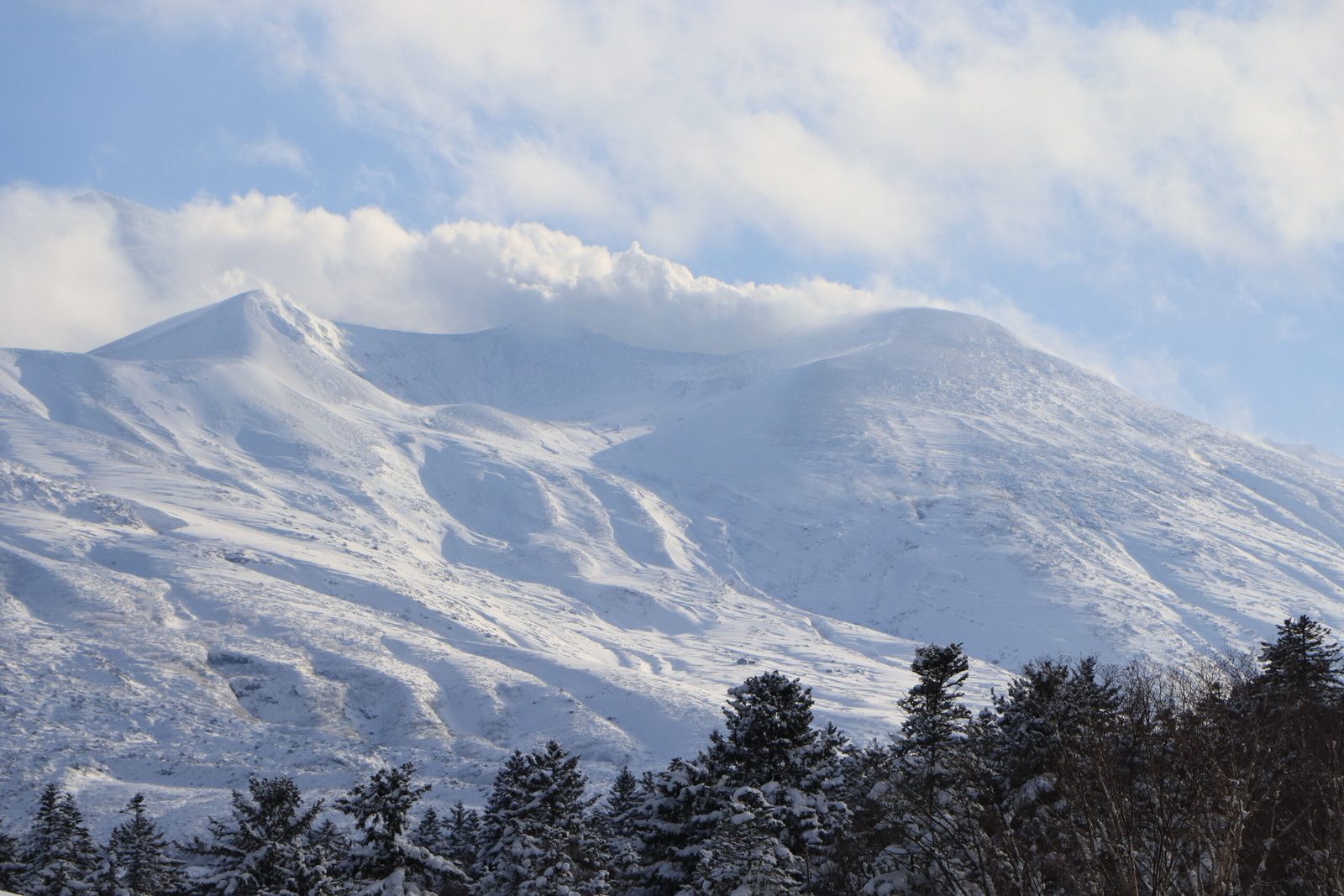
Furano Ski Resort consists of two areas, the Furano zone and the Kita no Mine zone, with eight lifts, a six-person gondola and a one-hundred-and-one-person ropeway, which gives skiers three kinds of ride up. Ski and snowboard sets, boards only and boots only can be rented, so a skier can arrive without equipment. Furano City also has a cross-country ski course where a national sports festival event was held in the past.
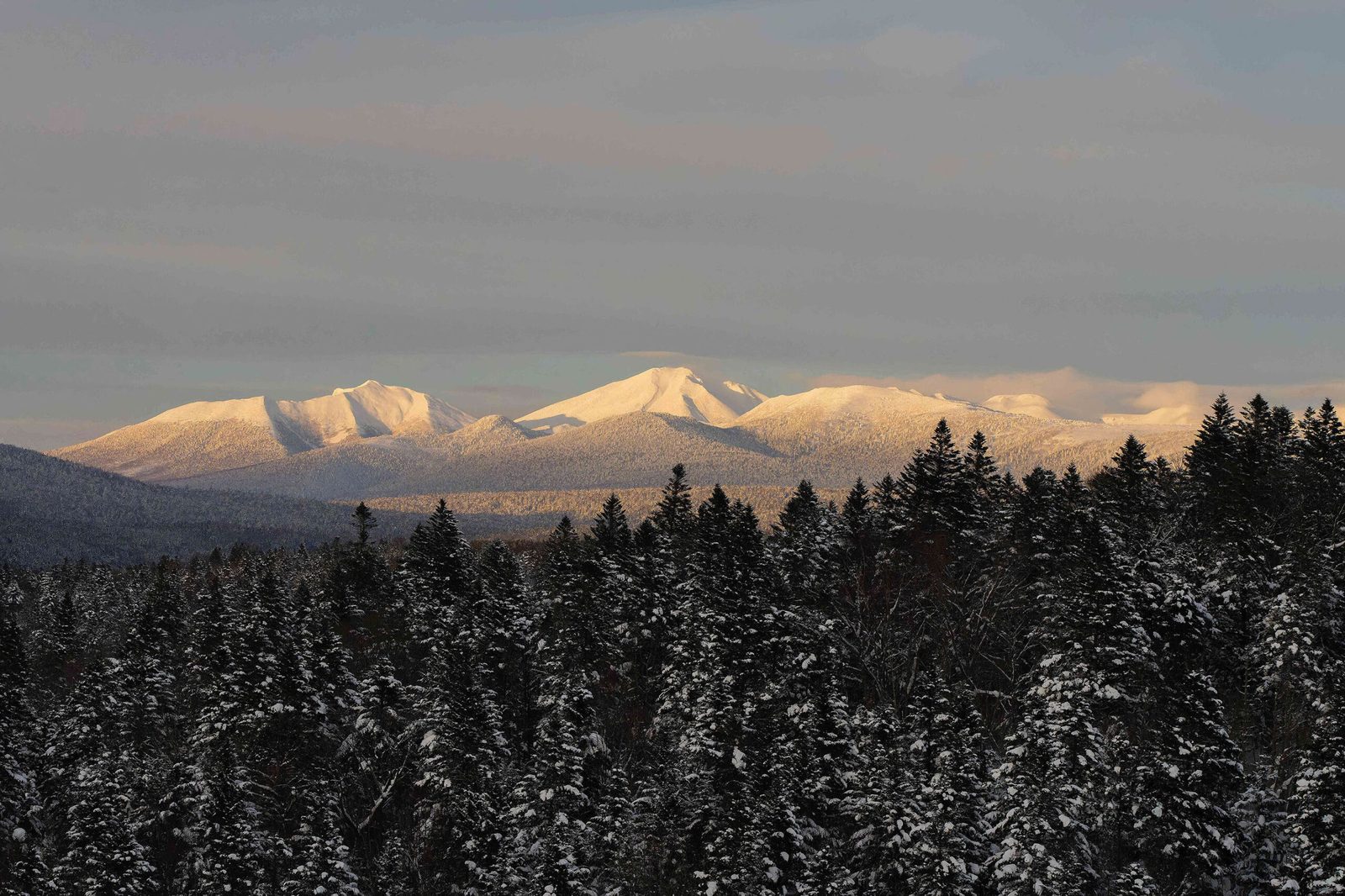
Rafting and canoeing are available on the Sorachi River, the Mu River and Lake Kanayama. The three waters give paddlers a choice between two rivers and a lake. Together with Furano Ski Resort, they make Furano a place for active days as well as flowers and food.
Getting to Furano
New to rural buses and one-man trains? See how to ride them, step by step.
| Route | Item | Detail |
|---|---|---|
| Asahikawa Airport to Furano Station | Furano Bus | About fifty minutes |
| JR to JR Furano Station | From JR Asahikawa Station; from JR Sapporo Station with one transfer | About seventy minutes; about one hundred eighty-three minutes |
| By car to Furano | From New Chitose Airport or Sapporo; from Asahikawa Airport; from Asahikawa | About two hours ten minutes; about one hour; about one hour twenty minutes (excluding breaks, based on summer operation) |
| Farm Tomita on foot | From Lavender Batake Station | About seven to eight minutes; the station is open only in summer and the JR Furano-Biei Norokko train runs only in summer |
| Farm Tomita by road | Car from Asahikawa Airport; Furano Bus Rapid Lavender go to Nakafurano | About forty-five minutes by car; the bus takes about forty-eight minutes from Asahikawa Airport; about one hour twenty-five minutes from Asahikawa Station front |
| Furano Cheese Factory | From Furano Station, about three point four kilometres | About nine minutes by taxi or private car; about twenty-five minutes by bicycle |
| Shin-Furano Prince Hotel | From JR Furano Station, about six kilometres | About twelve minutes by taxi; about seventeen minutes by bus, seven services a day |
| Rokugo area | Car from JR Furano Station | Thirty minutes |
| Furano Ski Resort area (Kita no Mine zone) | From JR Furano Station | Ten minutes by car; ten minutes by Furano Bus Lavender go |
| Around Furano | Furano Bus regular sightseeing bus from JR Furano Station; sightseeing taxi plans | The bus goes around Furano Marche, Furano Cheese Factory, the resort hotel area and Furano Winery; chartered taxi plans tour filming locations or flower fields |
If you would rather stay overnight, places to stay in Furano is a place to start.
Hours and Fees
| Place | Item | Time or fee |
|---|---|---|
| Furano Cheese Factory | Business hours | Nine in the morning to four in the afternoon, subject to seasonal change |
| Furano Cheese Factory | Parking | Free parking lot for one hundred twenty cars |
| Furano Cheese Factory | Cheese prices | Furano Cheese Mozzarella five hundred twenty-five yen per one hundred grams; Furano Nairao (one hundred fifty grams) three hundred yen |
| Furano Marche, Ogaru | Regular closing day | Tuesday during the winter period from November to March |
| Furano Marche | Closed days, twenty twenty-six fiscal year | November ninth to thirteenth, December thirty-first and January first |
| Farm Tomita, Cafe Rene | Lunch time | Half past ten in the morning to half past two in the afternoon |
| Furano Drama Museum | Business hours | A quarter past nine in the morning to a quarter to seven in the evening, changing with the season; may be closed for store maintenance in November and may close temporarily in bad weather |
| Ningle Terrace | Opening hours | Summer: eleven in the morning to a quarter to eight in the evening. Winter: noon to a quarter to nine in the evening |
| The stone house reproduced from the drama, Rokugo | Viewing hours, mid-April to late September | Half past nine in the morning to six o'clock in the evening |
| Farm Tomita, Hanabito no Hatake | Flowering period | Mid-April to early October; peak viewing from early July to late September |
| Farm Tomita, Hanabito no Hatake | Lavandin flowering period | Mid-July to early August |
Fees and hours were checked against official sources on 19 November 2026.
Thinking of staying overnight?
Compare places to stay near Furano →
Disclosure: This post may contain affiliate links. If you book through them, we may earn a commission at no extra cost to you.