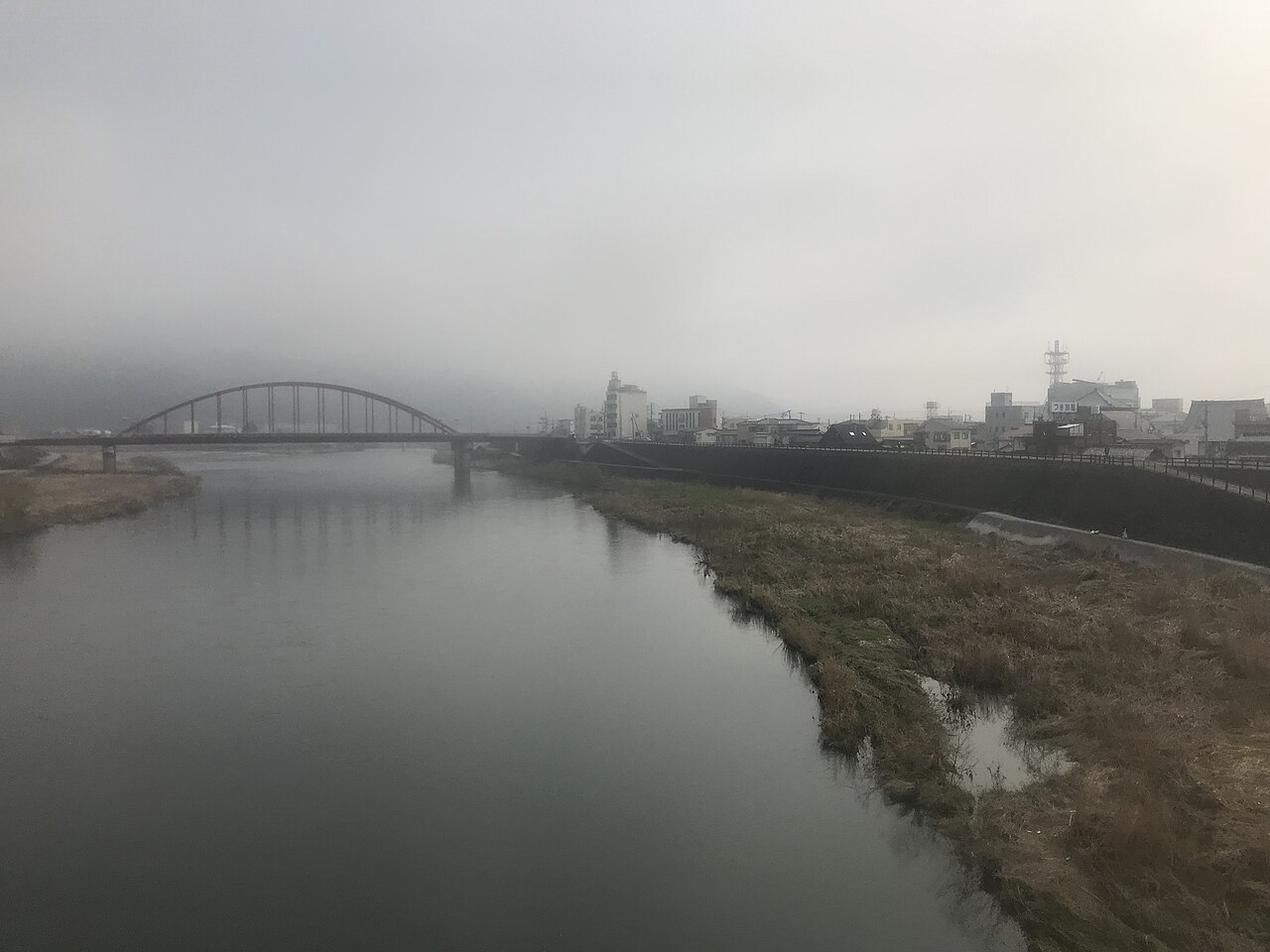
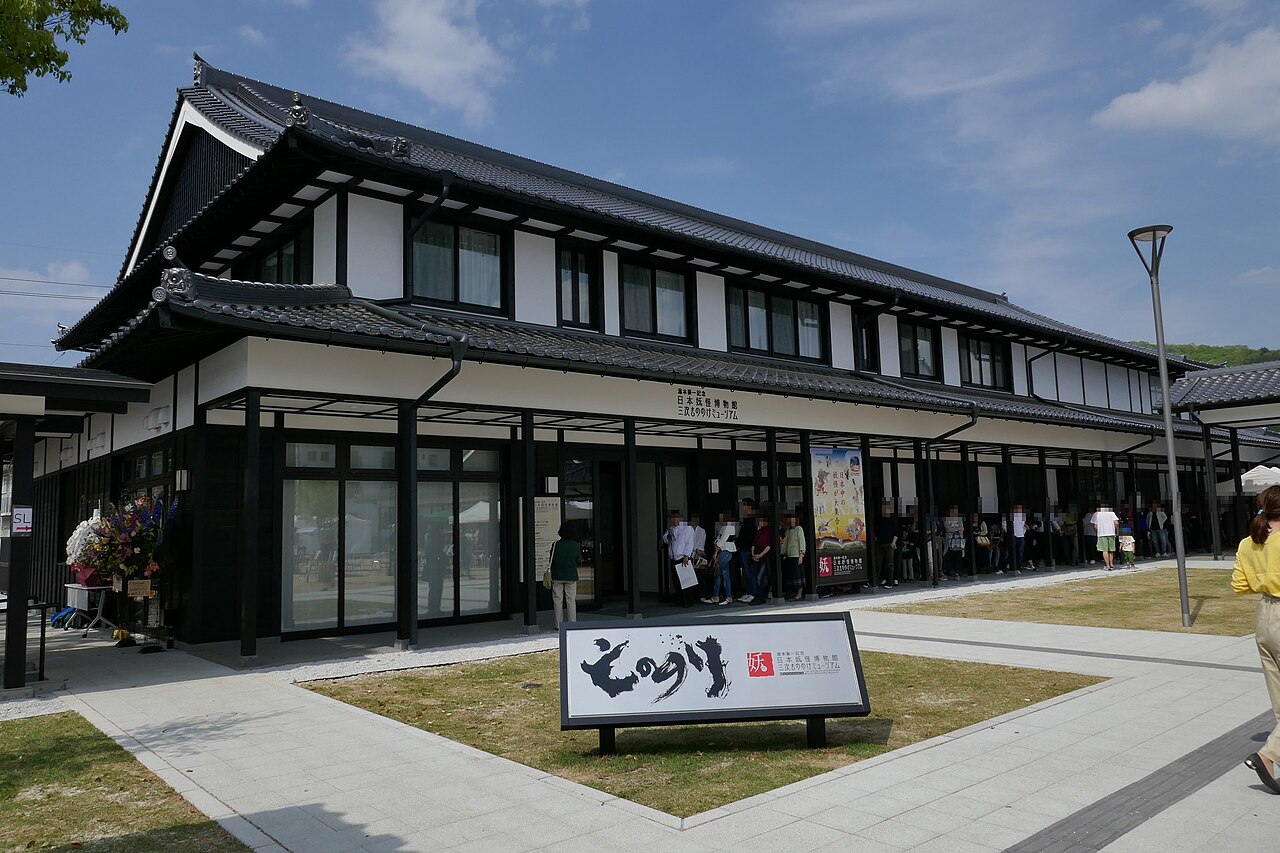
Miyoshi is a river town in Hiroshima Prefecture where the places tied to the Inou Mononoke-roku, a yokai tale set here in the mid-Edo period, lie scattered around a main street of old merchant houses, traditional signboards and stone paving. Above the town, the lookout on Mt Takatani carries a live camera that streams Miyoshi's sea of fog and the town itself day and night. On the river, the cormorant handlers' boats are slim and wooden. The yokai also have a museum of their own here, the Miyoshi Mononoke Museum.
A Sea of Fog Above the Three Rivers
Miyoshi's centre sits where the three rivers Saijo, Umaarai and Gonokawa meet, and the sharp gap between morning and evening temperatures, together with cold air the rivers carry down from the mountains, is what builds the sea of fog seen from the lookout on Mt Takatani. The same lookout has a live camera streaming the fog and the town day and night, so check it before you go up rather than climb on hope.
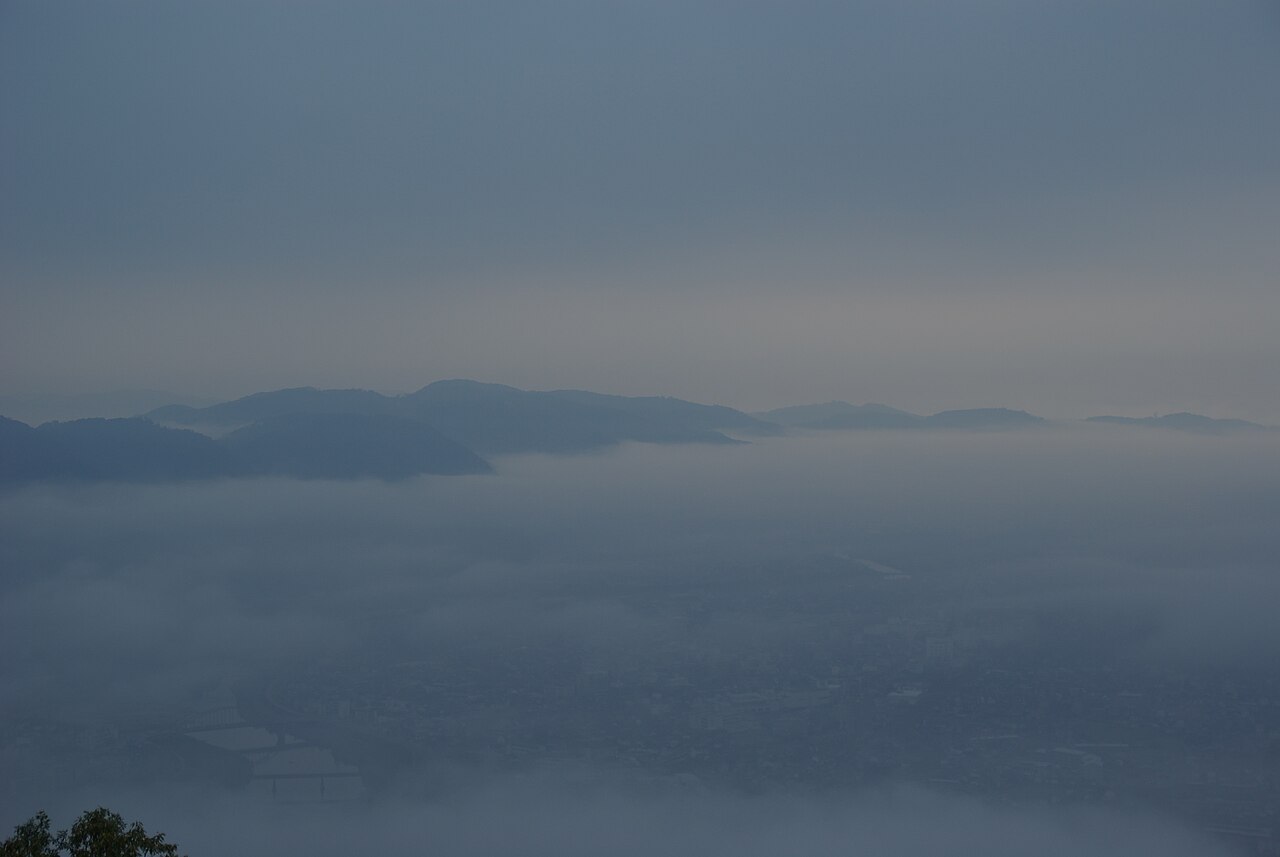
Autumn is the season when the fog forms readily, on days when daytime humidity runs high. The deck sits a short way below the summit, and as sunrise nears the sky above it turns the madder-red called akane while the sea of clouds slowly appears, until the sun comes up with a dazzling light.
Cormorant Boats and a Riverbank of Cherry Trees
The boat that carries a cormorant handler is a narrow wooden craft, and while LEDs are now in use, one of the three boats still carries a carbide lamp. It runs to about nine metres from stem to stern. The boatman steers it freely, and the lamp deserves as much of a look as the hull, since the LEDs and the one carbide lamp show two generations of the same craft.
Planted by local people about thirty years ago amid farm fields, the cherry trees now make a long row along the riverbank. Because the row is long, treat it as a riverside to walk in stretches rather than a single viewpoint, so pick one section and give it the time instead of trying to see it end to end.
Ozekiyama Park and the Old Merchant Street
Ozekiyama Park holds a set of ruins, a Kirishitan lantern, a poem monument to the Araragi-school poet Nakamura Kenkichi and a statue of Akuri-hime, the third daughter of Nagaharu, and from the lookout at its summit the whole Miyoshi city area lies in view. With a short afternoon, the summit view is the thing to reach first.
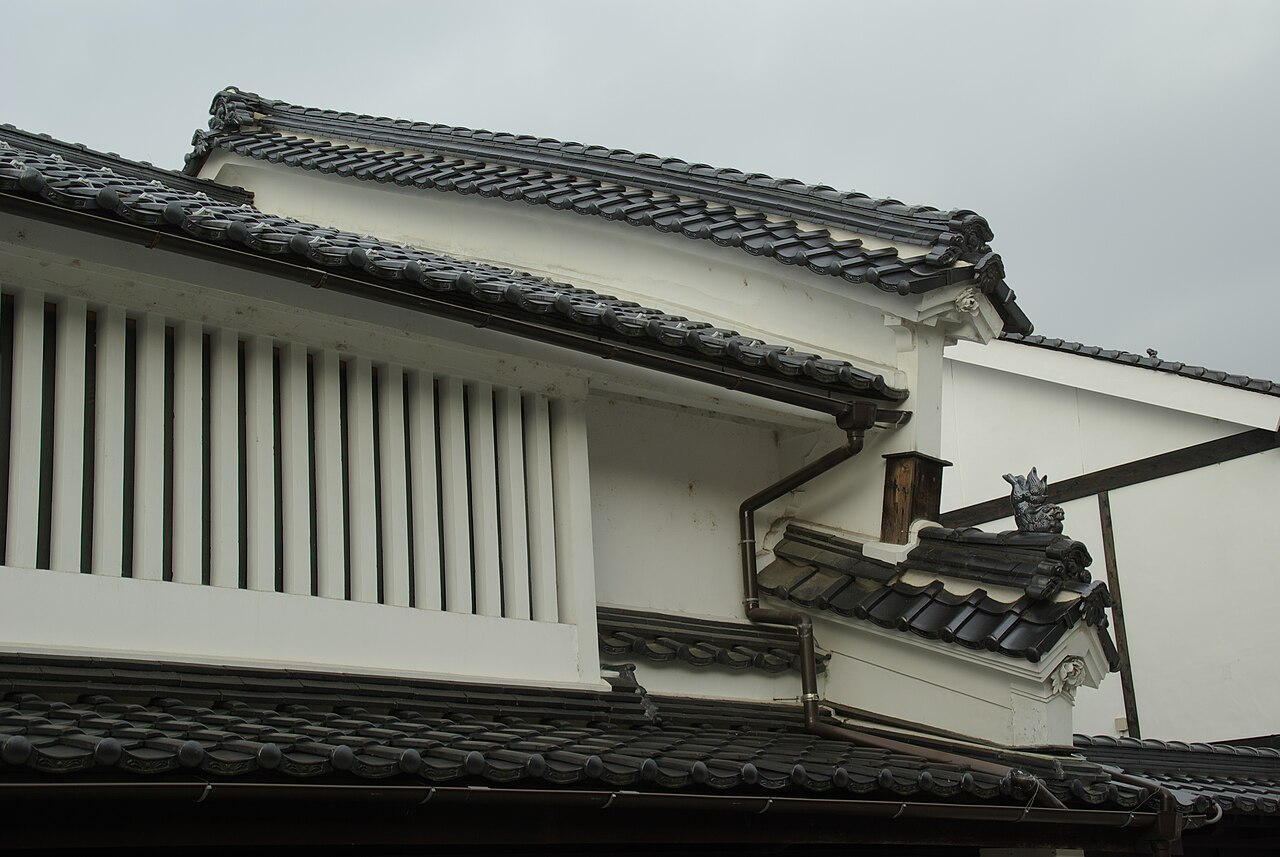
Down in the town, the main street runs on stone paving between old merchant houses and traditional signboards, and the spots tied to the Inou Mononoke-roku, the yokai tale set in mid-Edo Miyoshi, lie scattered around those same streets. For a pause, the thick omelette sandwich with truffle sauce and cheese is the recommended plate at mugimugi CAFE.
In the cherry blossom season and the autumn leaves season the park is lit after dark, and that is the moment to plan around if you can stay the night. Rather than leaving at dusk, look at places to stay in Miyoshi and walk back up once the lights are on.
Eel, Apples and Local Flavours
A restaurant specialising in eel serves it at lunch white-grilled or kabayaki-grilled, with conger eel done the same two ways, a rolled omelette with eel, and conger eel bone crackers to pick at. The town's local speciality, by contrast, is made from a batter that contains spices and comes out faintly orange.
At Fruitsland Funo, three of about five hectares are apple orchard with about thirty varieties, and the apples grow low enough to be picked by stretching out a hand. In autumn that low height suits families with small children, and the attached stand sells apples by the gram and by variety.
Hiroshima Miyoshi Winery pours tastings by the glass, which lets you compare a few of its wines without committing to a bottle. If you have one meal to spend, make it the eel at lunch and keep the winery for a glass afterwards.
Ancient Tombs, Rice-Planting Songs and a Waterfall
Miyoshi has about four thousand ancient tombs, said to be about one third of those in Hiroshima Prefecture, and in an ancient-tomb park of about thirty hectares you walk among stone chambers, stone coffins, ancient dwellings and an old house that is a nationally designated Important Cultural Property. Model courses, including a family course and a tomb-walking course, are laid out for the grounds, so pick one by who is with you.
At the Nonbara Dengaku festival the planting begins with a solemn Shinto ritual before two brightly decorated cattle walk slowly into the paddy for shirokaki, the first step of the work. The hayashi songs are said to have spread by taking in rice-planting songs from the Chiyoda-cho area of Yamagata County, and they are what the planters, lined up in a single row, keep time to as they set the seedlings.
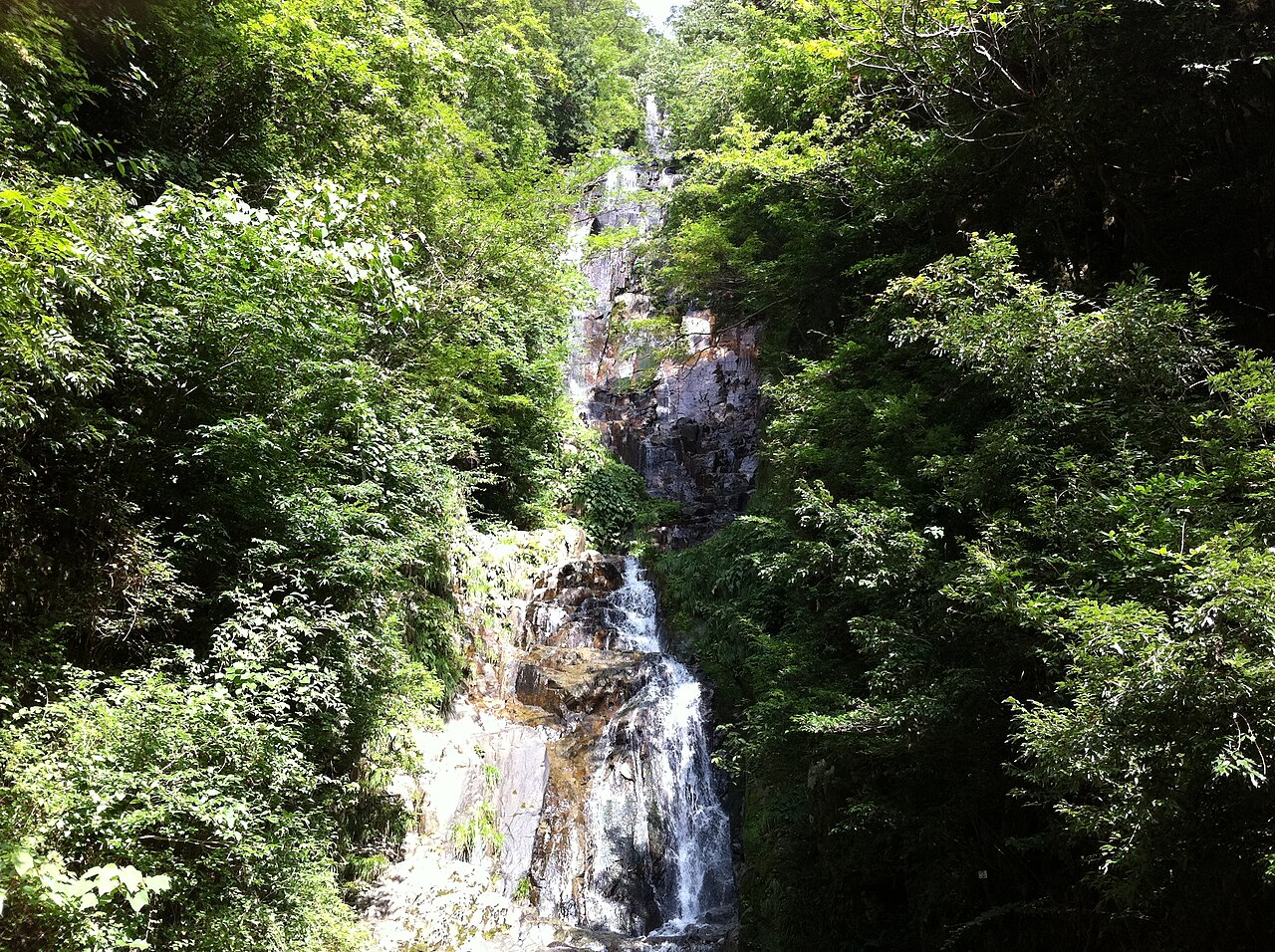
Joseidaki is a tall cascade, and the face it shows changes with the seasons. It is a destination in its own right rather than a stop on the town walk, so give it a slot of its own in the plan.
Getting to Miyoshi
| Leg | How | Time and estimate |
|---|---|---|
| Hiroshima to Miyoshi Station | Highway bus from the bus terminal in Hiroshima | About 1 hour 20 minutes |
| Hiroshima Station to Miyoshi Station | JR Geibi Line rapid service | About 1 hour 20 minutes |
| Hiroshima Station to Miyoshi Station | JR Geibi Line local service | About 1 hour 50 minutes |
| Hiroshima Airport to Miyoshi Station | Bus | About 1 hour 20 minutes |
| Hiroshima city to Miyoshi | Car via the Hiroshima Expressway and Chugoku Expressway, or via Route 54 | About 1 hour 10 minutes; about 1 hour 45 minutes via Route 54 |
| Within Miyoshi | Noruto Miyoshi AI on-demand bus, adult fare | 300 yen |
| Within Miyoshi | Noruto Miyoshi AI on-demand bus, running times | 9:00-17:00; not running from December 29 to January 3 |
| Miyoshi Mononoke Museum | Bus stop | About a 10-second walk from the museum |
New to rural buses and one-man trains? See how to ride them, step by step.
Hours and Fees
| Place | What | Hours or fee |
|---|---|---|
| Miyoshi Mononoke Museum | Opening hours | 9:30-17:00 |
| Miyoshi Mononoke Museum | Admission, adults | 1,000 yen |
| Fruitsland Funo | Apple picking | Adults 770 yen, children 440 yen, free for ages 3 and under |
| Fruitsland Funo | Hours and season | 9:00-17:00, with no closed days from September to the end of November |
| Hiroshima Miyoshi Winery | Hours | 9:30-17:30 |
| Okonomiyaki Imachan | Weekday hours | 10:00-14:30 and 17:00-19:00 (both last order) |
| Okonomiyaki Imachan | Closing days | Wednesdays and the third Tuesday |
| Mt Takatani sea of fog | When it appears | Early morning from September to March; more likely from late September to November |
Where to stay
Places to stay near Miyoshi, Hiroshima, Japan →
Disclosure: This post may contain affiliate links. If you book through them, we may earn a commission at no extra cost to you.