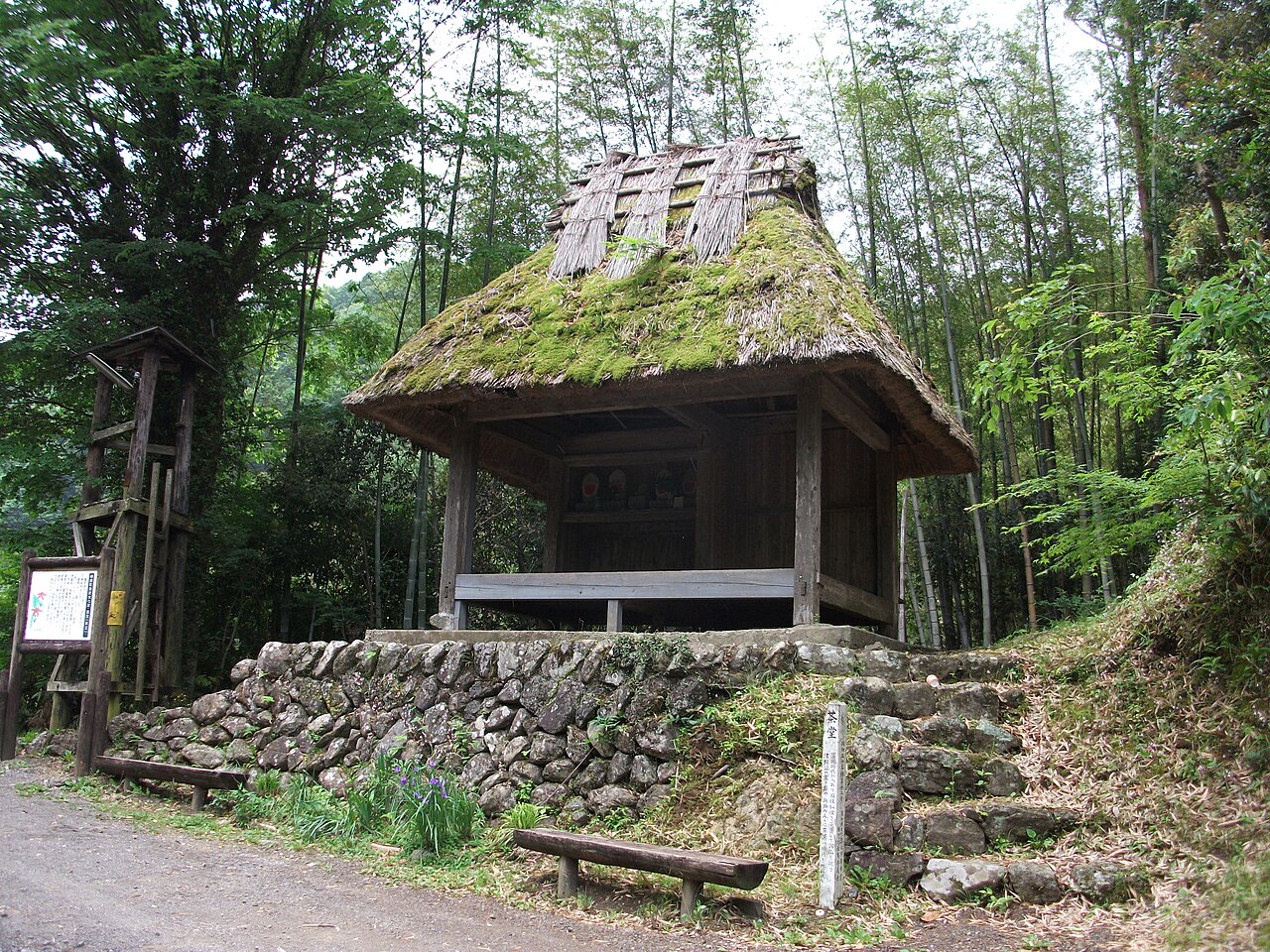
Yusuhara is a mountain town in Kochi with little flat land, where farming developed on the slopes. The roads that Sakamoto Ryoma, Yoshimura Torataro and other samurai took to leave the Tosa domain still run through the town with their old atmosphere intact. Around them are Kengo Kuma's timber buildings, the Tsunoyama Kagura dance, the terraced fields of Senmaida, the Shikoku Karst plateau and Takaoka Kimchi.
The Sakamoto Ryoma Datsuhan Road to Nirigatoge
Nirigatoge is the pass on the border with Iyo, today's Ehime, where Sakamoto Ryoma is said to have left the Tosa domain. Guide signboards line the way up to the pass, so the route can be followed step by step. The site of the Miyanono checkpoint, once a key point for traffic between Iyo and Tosa, lies on the same road.
The road ran past the Matsugatoge checkpoint at Chayadani in Shimanogawa before crossing Nirigatoge into Iyo. Ryoma left Kochi with Sawamura Sonojo, stayed overnight in Yusuhara, and the next day passed the Miyanono checkpoint guided by Nasu Shunpei and his son Shingo. At Nirigatoge, Shingo turned back, while Shunpei went on with Ryoma into Iyo.
The former residence of Kakehashi Izumi was moved to where the village headman's house of Yoshimura Torataro, a samurai born in Yusuhara, once stood. In the mountains, six graves of imperial loyalist samurai with ties to Yusuhara stand in a row.
If you want to follow the route Ryoma took, the Datsuhan Road can be walked with a guide. One guide can lead about fifteen people, and the guided walk takes about two hours.
Kengo Kuma's Timber Buildings in Yusuhara
Kengo Kuma, visiting Yusuhara, was struck by the timber public hall and joined the work to preserve it. The Yusuhara Town General Government Building offers the scent of wood, creaking floors underfoot and an old-fashioned feel. On the first floor of the same building is a tea hall where travelers are served.
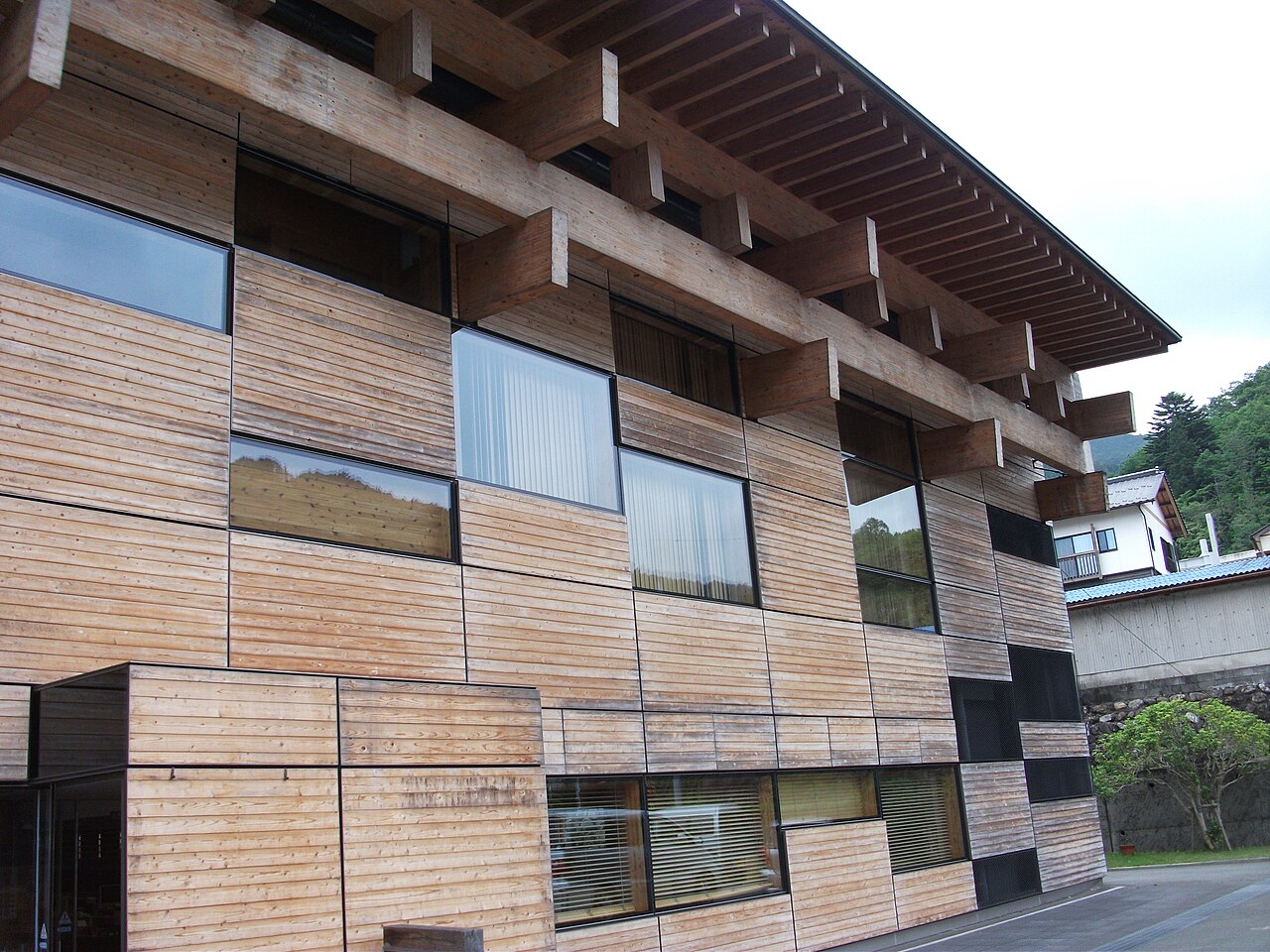
Machi no Eki Yusuhara, also Marche Yusuhara, catches the eye in the town with its thatched exterior. Kuma designed the thatch on its east side after studying the traditional thatched roofs of the town. Inside, rows of cedar log pillars turn the interior into something like a walk through a forest, a forest within the town.
The same building sells Yusuhara's specialty products and doubles as an accommodation annex of Kumo no Ue no Hotel. Its guest rooms are elegantly fitted out, with details planned so that guests can spend time slowly.
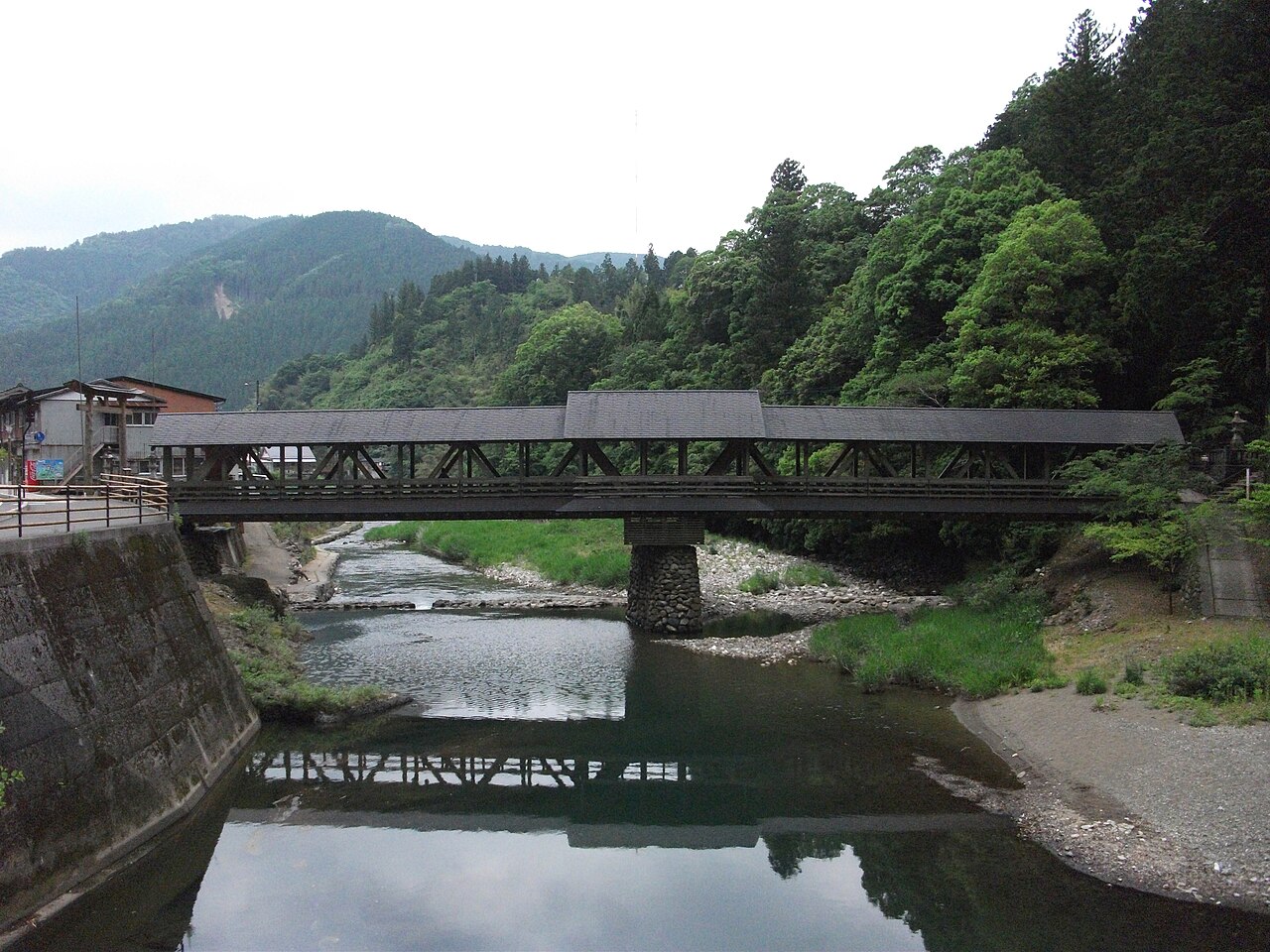
Kumo no Ue no Gallery is designed so that it melts into the Yusuhara forest. Kumo no Ue no Toshokan, the town library, is built of timber from Yusuhara and houses bouldering equipment and a cafe. If you want to see how one architect used the town's own timber and thatch, go to the library and Machi no Eki Yusuhara. The government building and the gallery add the scent of wood and the forest setting.
Tsunoyama Kagura at Mishima Shrine
Tsunoyama Kagura is danced at shrines around the town during the autumn festival that gives thanks for the grain harvest. In the dance, the manners for advancing, retreating, standing and sitting must each be kept, so every movement follows a set form.
At Mishima Shrine, four round pillars mark the worship hall, and the Kagura dance hall lies on its inner side. The shrine began when the founder of the Tsuno clan came to Yusuhara from Kyoto and enshrined Mishima Daimyojin from Izu.
Tsunoyama Kagura is designated a national important intangible folk cultural property as one of the kagura of Tosa, and the full cycle runs to eighteen sections. If you want to see a dance with strict manners, plan around the autumn shrine festivals, when the Kagura is danced across the town.
Senmaida and the Shikoku Karst
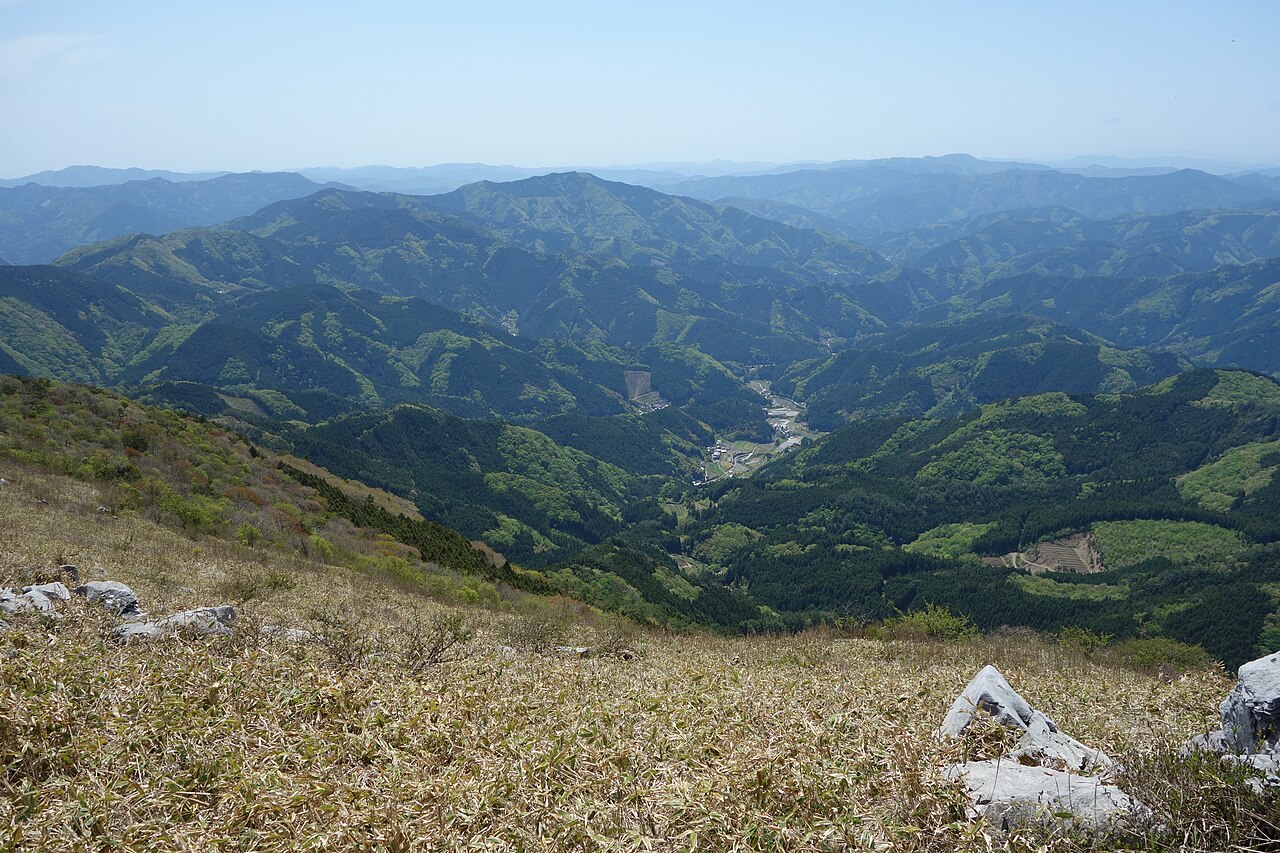
Senmaida takes its name from the way many rice paddies are stacked on one another, the word meaning terraced rice fields. The Shikoku Karst, one of Japan's three great karst areas, is a green plateau spread over five cities and towns in Kochi and Ehime.
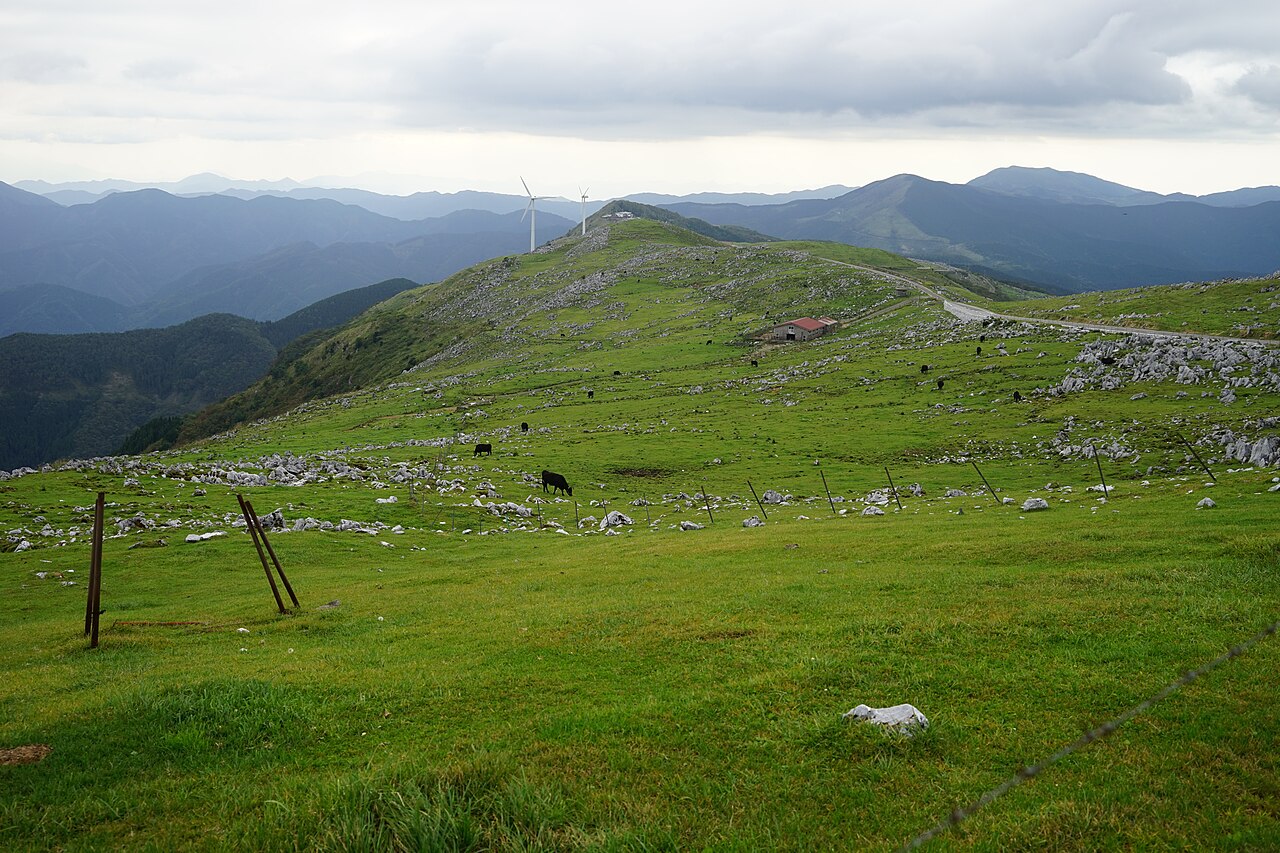
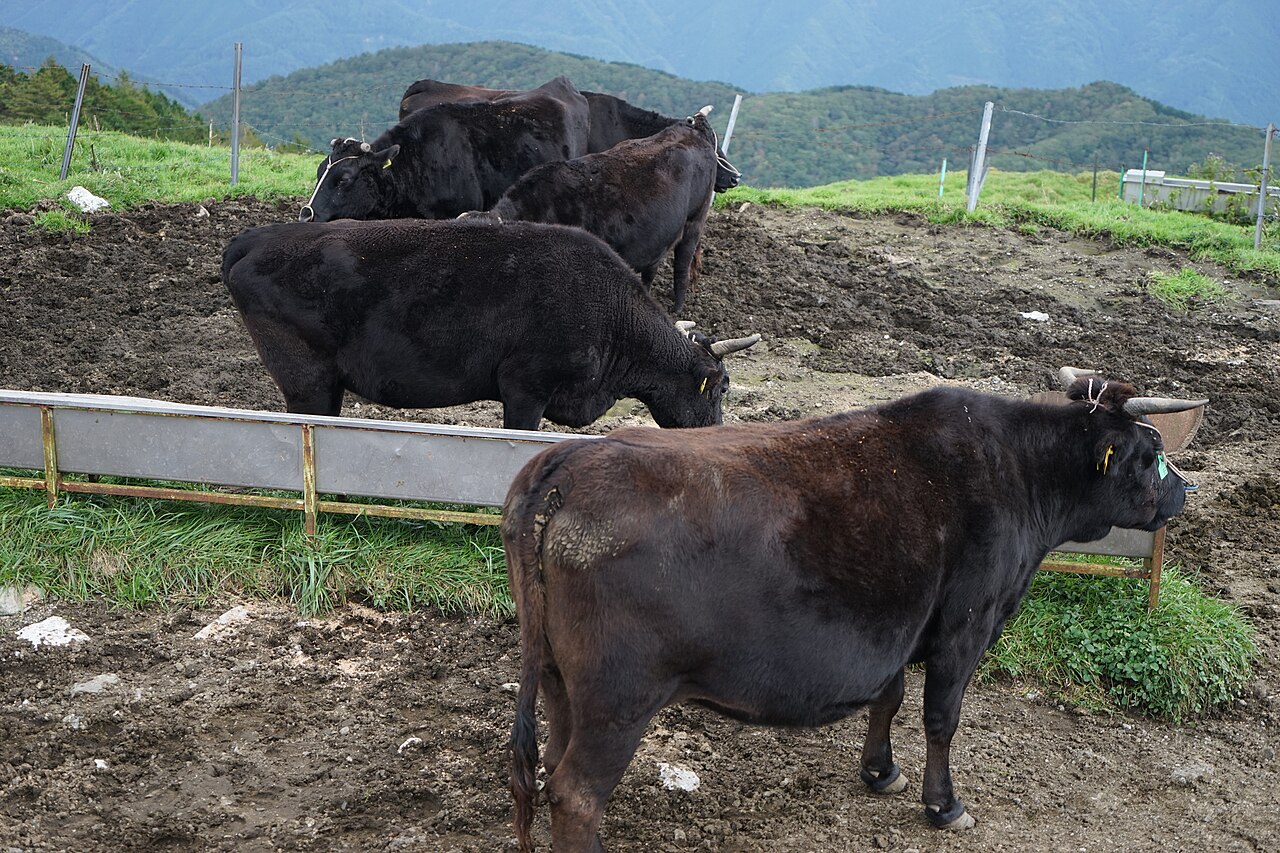
Tosa brown cattle graze on the Shikoku Karst from spring to autumn, so the season you choose decides whether the herd is part of the view. The Shikoku Karst Park Traverse Line is closed to traffic in winter.
A therapy road on the border with Ehime is the second therapy road in the town, following an earlier one. Higher up on that road, a wetland shows mountain plants and animals through the four seasons.
If you want to see how farming fitted a mountain town and then take in the high plateau, pair Senmaida with the Shikoku Karst. The terraces show the slopes put to use, and the plateau shows the same mountains as high green country.
Takaoka Kimchi and a Bakery-Cafe in Yusuhara
Takaoka Kimchi grew out of exchanges between young people from Korea and residents of the Hatsuse district of Yusuhara.
A bakery-cafe bakes its bread and sweets with domestic wheat and serves lunch built around fresh local vegetables. Those vegetables are picked fresh from the shop's own field beside the store.
For something sweet there is a cookie choux with a filling of lightly sweetened cream. If you want to eat what Yusuhara grows, a lunch at the bakery-cafe puts the farm next door on the plate.
To stay overnight in the area, browse places to stay in Yusuhara.
Getting to Yusuhara
New to rural buses and one-man trains? See how to ride them, step by step.
| Leg | How | Time or cost |
|---|---|---|
| Susaki Station to Yusuhara | Bus on the Yusuhara-Susaki line | Departures from Susaki Station: 6:43 in the morning. 8:33 in the morning. 10:33 in the morning. 13:03 in the afternoon. 15:33 in the afternoon. 17:33 in the evening. 19:13 in the evening. |
| Yusuhara to Susaki Station | Bus on the Yusuhara-Susaki line | Departures from the Yusuhara bus office: 6:30 in the morning. 8:20 in the morning. 9:00 in the morning. 11:00 in the morning. 14:00 in the afternoon. 16:00 in the afternoon. The last service leaves at 17:20 in the evening. |
Hours and Fees
| Place | What | Hours or fee |
|---|---|---|
| Hot spring | Admission, adult, non-residents | 700 yen |
| Hot spring | Regular-season hours, Wednesday to Sunday | 11:30 to 22:00, reception until 21:30 |
| Machi no Eki Yusuhara | Hours, no regular closing day | 8:30 to 18:00 |
| Datsuhan Road guide | Fee per guide | 5,500 yen |
| Bakery-cafe | Hours | 11:30 to 15:00, last order 14:00 |
| Bakery-cafe | Closed days | Monday, Tuesday, Wednesday and Thursday |
Fees and hours were checked against official sources on 8 November 2026.
Thinking of staying overnight?
Compare places to stay near Yusuhara, Kochi, Japan →
Disclosure: This post may contain affiliate links. If you book through them, we may earn a commission at no extra cost to you.